DestinationHub vs. Google My Maps: A Better Way to Put Your Destination on the Map
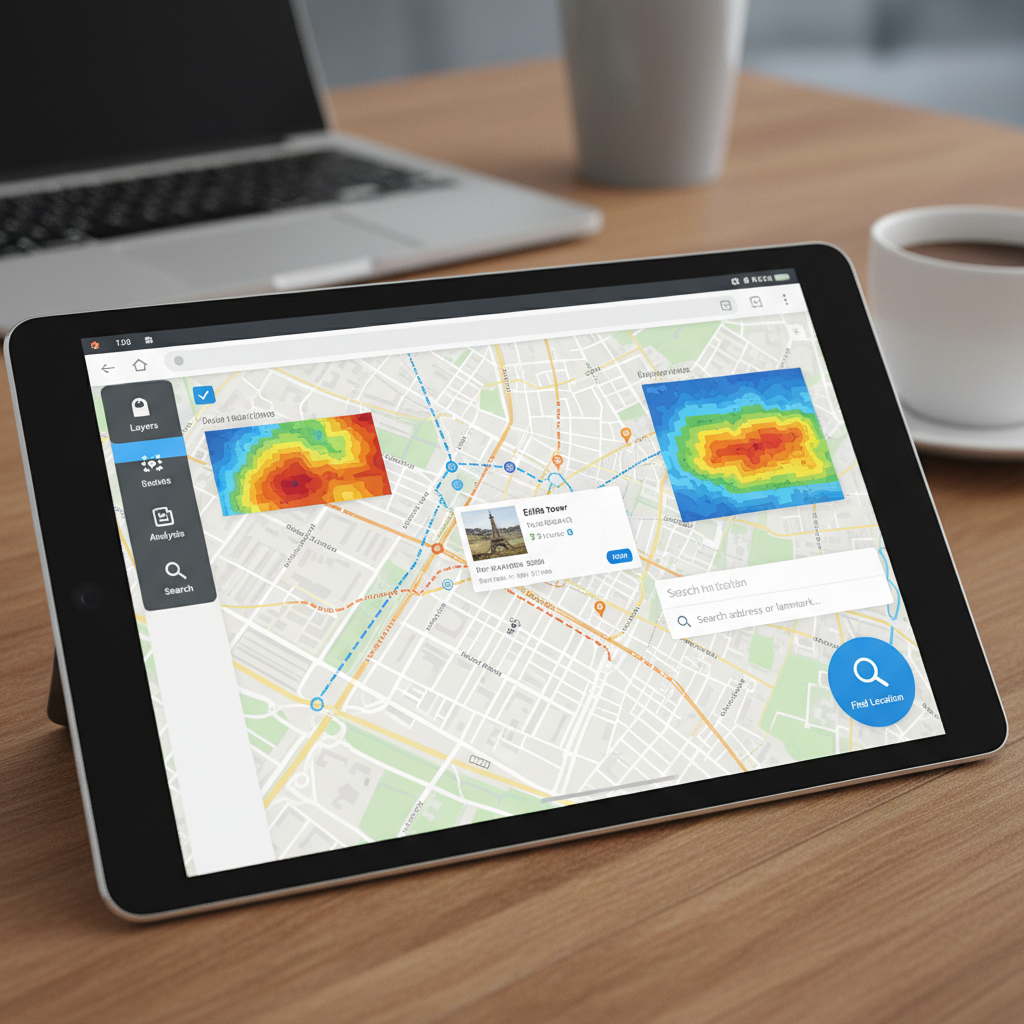
Looking for a Google My Maps alternative built for tourism? See how DestinationHub delivers branded interactive maps, self-guided tours, and visitor analytics that a free custom map can't.
If you run a destination marketing organization, a chamber of commerce, or a Main Street program, you've almost certainly reached for Google My Maps at some point. It's free, it's familiar, and dropping a few pins on a custom map takes five minutes. For a quick internal reference, it's hard to beat.
But the moment you try to turn that map into a real visitor experience - something branded, mobile-friendly, and worth promoting - the cracks start to show. Google My Maps was never designed to be a digital destination guide. It was designed to be a personal mapping tool.
If you've been searching for a Google My Maps alternative that's actually built for tourism, here's an honest look at where the free option falls short and how a purpose-built platform like DestinationHub closes the gap.
Where Google My Maps Runs Out of Road
Google My Maps is a genuinely useful custom map maker, but a handful of limitations make it a poor fit for organizations trying to market a place:
- It's not your brand. Every map lives inside Google's interface, with Google's colors and Google's controls. There's no way to match your logo, brand palette, or visual identity.
- Points are thin. Each pin holds a title, a short description, and maybe a photo. There's no structured way to show hours, amenities, pricing, categories, contact info, or booking links the way a visitor actually needs them.
- There's no visitor experience layer. No turn-by-turn navigation, no self-guided tours, no way to guide someone from stop to stop on their phone.
- You're flying blind on data. Google My Maps gives you no meaningful analytics. You can't see which attractions get the most attention, how visitors move through your content, or what's actually driving engagement.
- It doesn't scale with a team. Managing content across multiple staff members, categories, and seasons in a single shared Google map gets messy fast, and hard limits on layers and points per map compound the problem.
None of this makes Google My Maps "bad". It just means you're using a personal tool to do an organizational job.
What an Interactive Map for Destinations Should Actually Do
A modern interactive map for destinations isn't just pins on a basemap. It's the front door to your destination — often the first thing a visitor interacts with before they ever arrive. That means it needs to be branded, content-rich, navigable, and measurable.
This is exactly the gap DestinationHub was built to fill.
How DestinationHub Works as a Google My Maps Alternative
DestinationHub is a DMO software platform purpose-built for destinations, tourism boards, and community organizations. Instead of retrofitting a personal mapping tool, it gives you an interactive map designed from the ground up around how visitors explore. Here's how it compares.
- A branded interactive map, not a generic one. With DestinationHub, the map carries your identity — your brand colors flow through the interface, markers, and navigation. Visitors experience a polished, cohesive branded interactive map that feels like part of your destination, not a Google utility page. That single difference changes how professional your destination looks online.
- Rich, categorized content instead of bare pins. Rather than generic pins, DestinationHub organizes your destination into meaningful, filterable layers: attractions, dining, lodging, events, historical sites, services, and tours. Each listing can carry photos, descriptions, hours, amenities, tags, contact details, and links. Visitors can toggle categories on and off to find exactly what they're looking for — a level of structure Google My Maps simply doesn't offer.
- Self-guided tours with real turn-by-turn navigation. This is where DestinationHub leaves a static custom map far behind. The platform includes self-guided tour functionality with GPS-based, turn-by-turn navigation that walks or drives visitors from one stop to the next. It's the difference between handing someone a map and handing them a guide. For any organization that's ever wanted a lightweight self-guided tour app without commissioning custom development, this is a standout feature.
- Gamification that keeps visitors exploring. Gamifying exploration encourages people to see more of your destination and spend more time (and money) in your community.
- Visitor analytics that show what's working. Instead of guessing, you get a visitor analytics dashboard with leaderboards showing which attractions, dining spots, tours, events, and partners draw the most attention. That data helps you make smarter decisions about promotion, partnerships, and where to focus your marketing budget. Replacing guesswork with insight is one of the biggest reasons organizations move off free tools.
- Built for teams and for scale. DestinationHub supports multiple team members with role-based access, so admins and contributors can collaborate on content without stepping on each other. As your destination grows, your map grows with it — no scrambling against layer caps or a single shared login.
So, Is DestinationHub Right for You?
If all you need is a private map to plan a road trip or mark a few locations for yourself, Google My Maps is perfectly fine — and free.
But if you're a destination marketing organization, tourism board, chamber of commerce, or Main Street program trying to create a branded, engaging, measurable visitor experience, you've likely already outgrown what a personal mapping tool can do. That's the point where a purpose-built Google My Maps alternative like DestinationHub pays for itself — turning a static map into a full digital destination guide that markets your place, guides your visitors, and shows you what's working.
Ready to See It in Action?
If you're ready to move beyond pins on a free map, reach out to the team at support@destinationhub.io to get started.